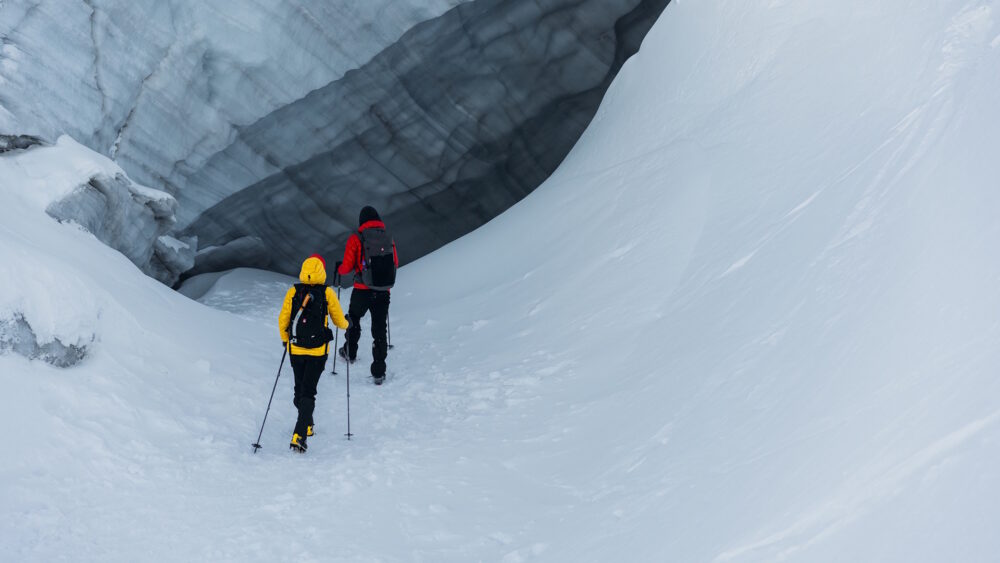
Mountain hiking provides an unparalleled combination of physically demanding exercise and the restorative benefits of immersion in nature. Unlike repetitive gym routines, each ascent and descent on a mountain trail engages various muscle groups, promoting functional strength. The legs, core, and back are constantly challenged, while cardiovascular endurance is enhanced through sustained movement. For individuals seeking an alternative to traditional indoor exercise, mountain hiking offers a dynamic, full-body workout that is both physically rewarding and mentally stimulating.
Enhanced Calorie Expenditure and Weight Management
Traversing rugged terrain demands a significant amount of energy, leading to increased calorie expenditure compared to exercising on flat surfaces. The uneven and constantly changing environment engages different muscle groups, increasing metabolic activity. Adding a backpack to the hike not only further enhances caloric burn but also contributes to muscle strengthening, making hiking a highly effective strategy for managing weight and maintaining physical fitness. Utilising down sleeping bags during overnight hikes can improve rest and recovery, aiding in consistent weight management efforts.
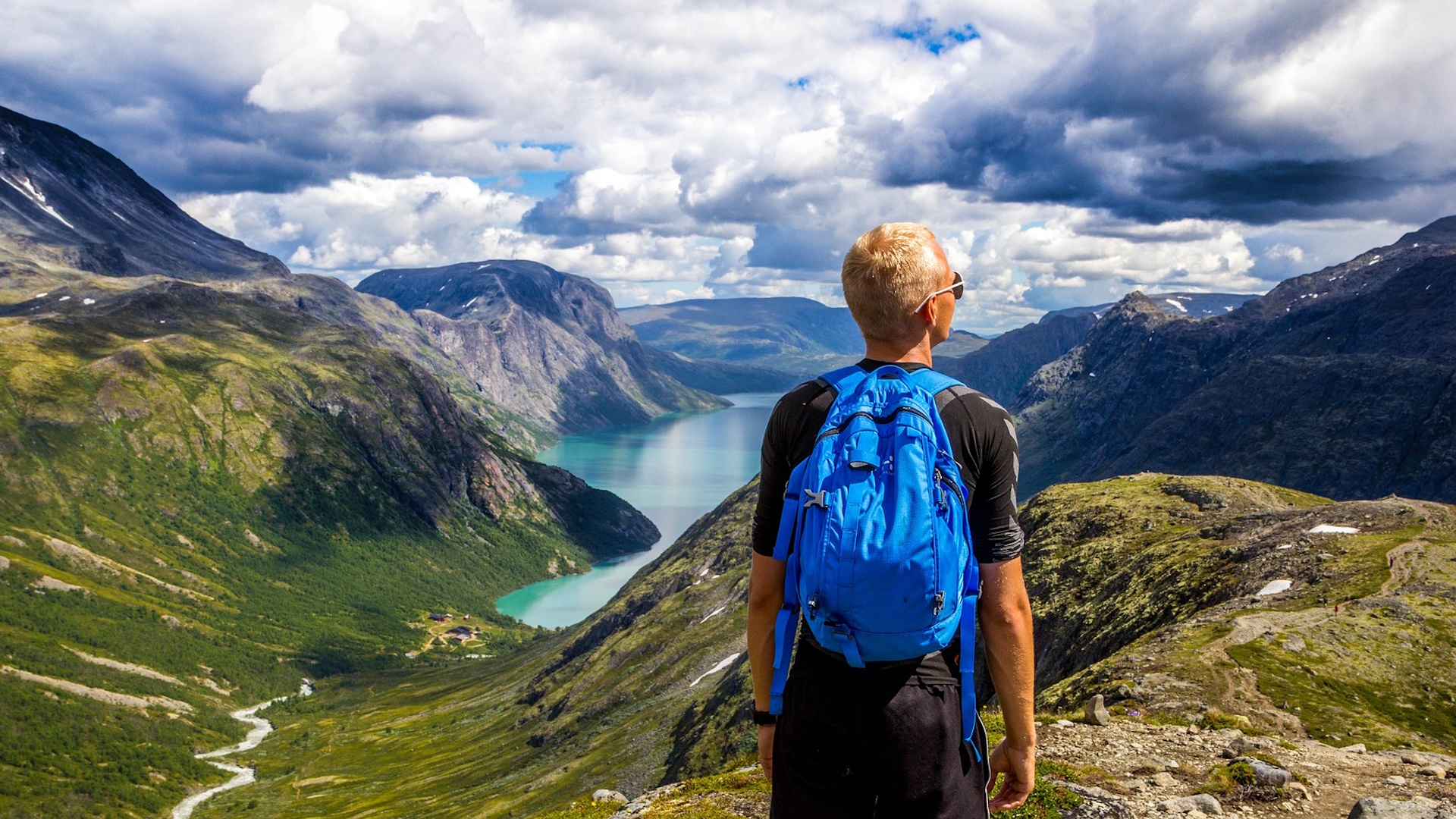
Immune System Enhancement Through Nature Exposure
Exposure to diverse environmental conditions encourages physiological adaptation, strengthening the body’s immune system. Clean mountain air, free of urban pollutants, supports respiratory health, while exposure to sunlight at higher altitudes stimulates the production of vitamin D, essential for bone health and immune function. For those experiencing vitamin D deficiency, spending time outdoors provides a natural and effective remedy, boosting both physical and mental well-being.
Strengthening Bone Density and Joint Health
Walking on uneven terrain exerts varying degrees of pressure on the bones, stimulating the growth of bone density, which is crucial for reducing the risk of osteoporosis. Additionally, hiking on trails engages stabiliser muscles, thereby promoting joint stability and overall mobility. These benefits are essential for maintaining a healthy and active lifestyle, particularly as one ages.
Enhanced Respiratory Function and Adaptation
The physical demands of mountain hiking, combined with exposure to fresh, clean air, contribute to improved lung capacity and respiratory efficiency. Hiking at higher altitudes further enhances these benefits by encouraging physiological adaptations, such as increased red blood cell production, which improves oxygen transport and stamina over time. These adaptations are particularly beneficial for individuals looking to improve their overall cardiovascular health.
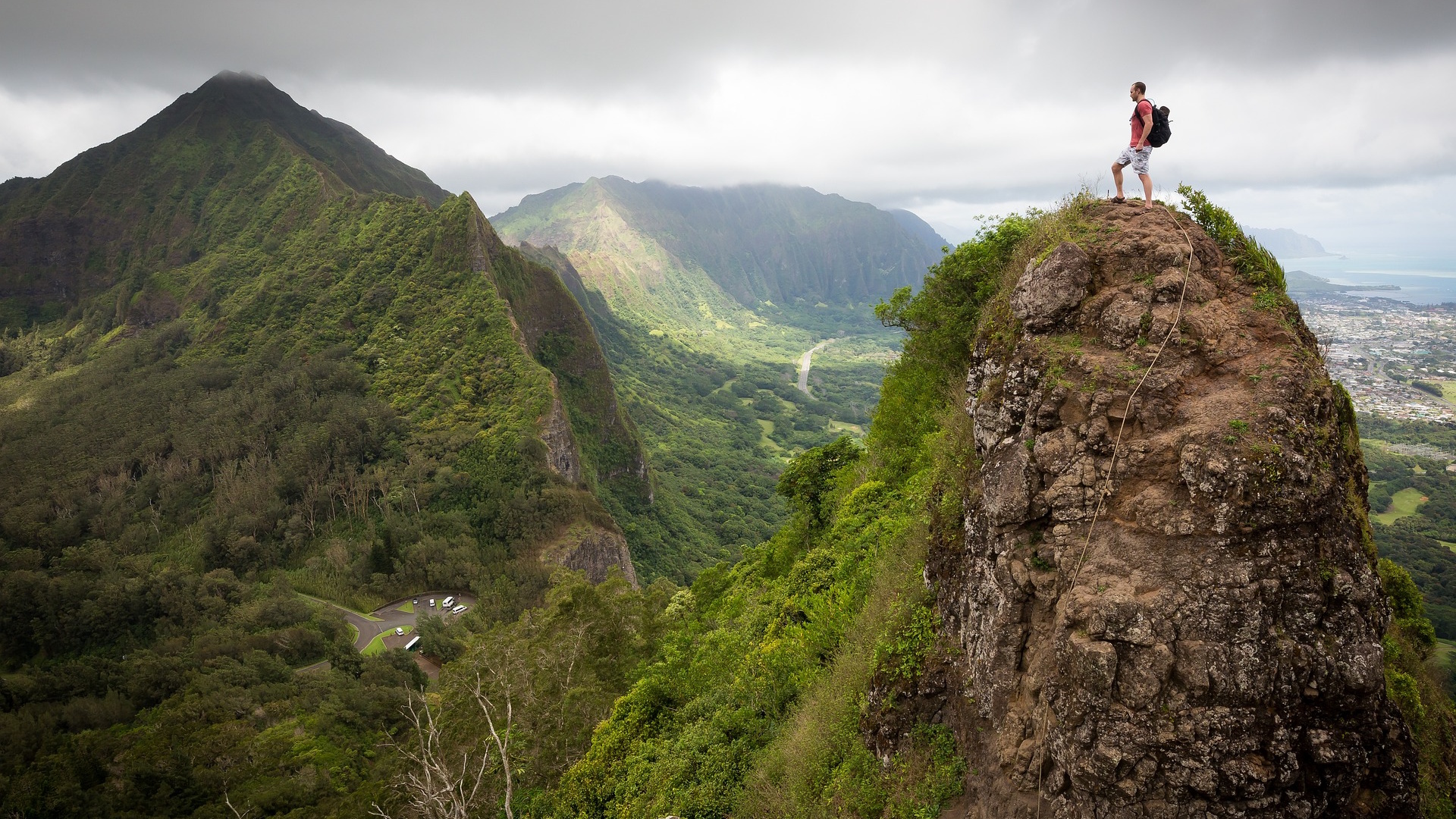
Mental Health Benefits – Stress Reduction and Emotional Well-Being
The combination of physical activity and immersion in natural environments facilitates the release of endorphins, neurotransmitters that help elevate mood and foster relaxation. Spending time in nature has also been shown to reduce levels of cortisol, the body’s primary stress hormone, offering a holistic approach to managing anxiety and promoting emotional stability. These mental health benefits make mountain hiking an effective strategy for enhancing overall well-being.
Improved Sleep Quality Through Physical Exhaustion
Engaging in physically demanding activities such as mountain hiking often leads to better sleep quality. Exposure to natural daylight helps regulate circadian rhythms, and the physical exhaustion from a day of hiking promotes deeper, more restorative sleep. Many individuals find that their sleep quality significantly improves after spending a day on the trails, contributing to overall health and productivity.
Building Social Connections and Community
Mountain hiking also serves as an excellent platform for social interaction. Visiting an outdoor clothing store together to prepare for hikes can foster teamwork and shared excitement, further enhancing these social connections. Whether hiking with friends or joining an organised group, these shared experiences can help build strong emotional connections and foster a sense of community. The emotional bonds formed during these activities contribute positively to social well-being and reduce feelings of isolation or loneliness.
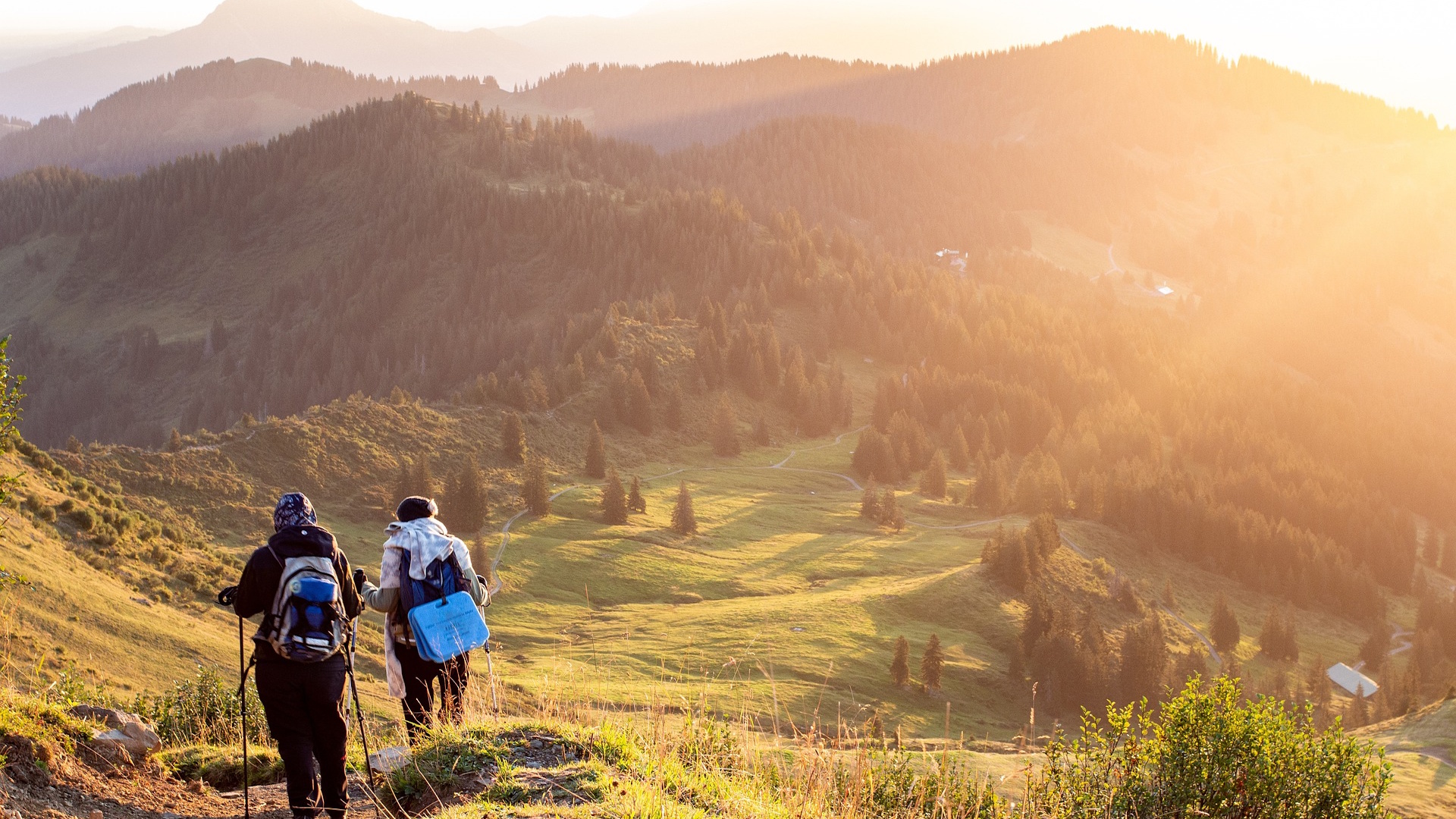
Mindfulness and Deep Connection with Nature
Mountain hiking encourages a mindful approach, where hikers focus on each step while engaging with the sights, sounds, and sensations of their surroundings. This practice of mindfulness fosters a deep sense of presence and awareness, helping to reduce stress and enhance psychological well-being. The connection with nature experienced during a hike can lead to an increased sense of gratitude and mental clarity.
Exploration, Discovery, and Personal Growth
Each hike presents opportunities for both external exploration and internal growth. New trails offer hidden natural wonders, while overcoming the physical and mental challenges of hiking builds resilience, confidence, and a growth mindset. The skills and lessons learned on the trail often extend beyond the outdoors, fostering personal development that impacts many aspects of life.
Ready to Embark on Your Next Adventure?
Embrace the journey that combines physical challenge, mental restoration, and personal growth. Whether you opt for a leisurely trail or tackle a challenging summit, every hike is a step toward enhanced health and well-being. Equip yourself with the right gear—such as down booties for camping, down jackets, or lightweight slippers from PAJAK outdoor shop, which serves all your mountain hiking needs, including down sleeping bags for cold nights.
Step into the mountains and transform your health. Take the first step today. Each hike offers an opportunity for improved health, adventure, and a deeper sense of fulfillment. Discover the countless benefits that await you on the trails.

Author: Dan
I am passionate about theme parks and attractions, and I love riding roller coasters and thrill rides! As the founder and lead travel editor of Attractions Near Me, and a father of four, I understand how expensive family days out can be. Over the past 10+ years, I’ve tested over 100+ UK and European theme parks, waterparks, and family destinations. I also manage the 80,000+ member UK Travel Industry LinkedIn Group. My aim is to help you, your family, and your friends enjoy some incredible days out without costing the earth. You can read my full story and our editorial standards on our About Us page. Thanks for reading, and have a great time - Regards Dan